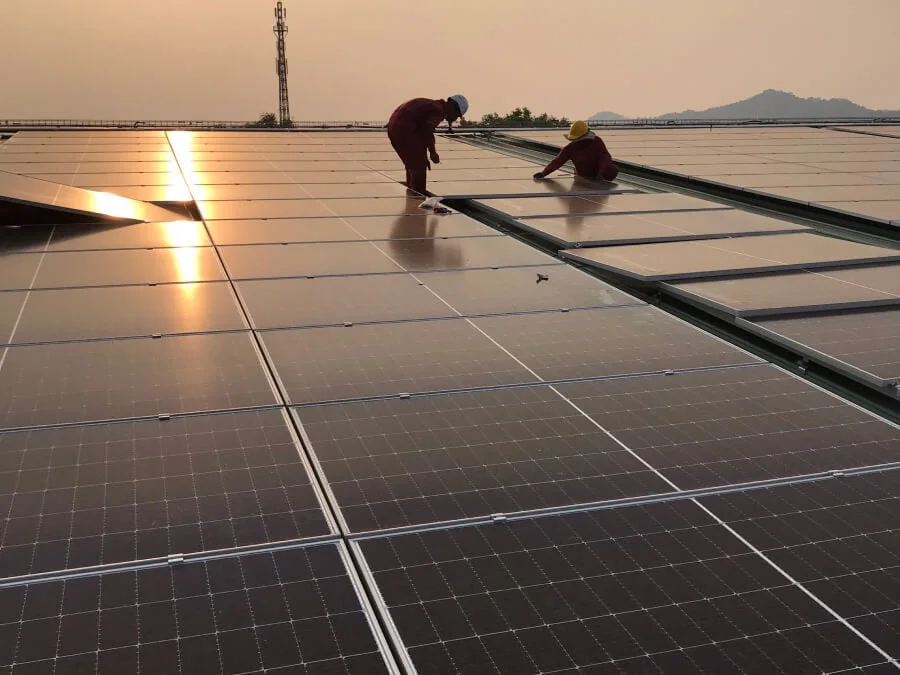
Top Solar Roof Installation Plans: Definitive Guide
Across the United States, property owners face rising electricity tariffs and increasing regional grid volatility. Consequently, building owners now view energy independence as a critical priority. Shifting from traditional roofing to integrated solar generation has therefore evolved into a major capital expenditure strategy. Furthermore, modern property managers no longer treat a roof as a passive shield. Instead, they recognize it as an active micro-utility asset. Thus, it generates substantial energy offsets throughout a multi-decade operational lifespan.
Executing these high-performance energy systems requires careful navigation of complex structural constraints and local utility rules. For instance, a successful conversion demands much more than mounting panels onto existing wooden rafters. Specifically, technicians must evaluate roof pitch, solar azimuth, and structural dead-load capacities. Whether assessing a suburban home or a commercial facility, stakeholders must balance upfront capital deployment against long-term financial yields.
Looking past aggressive marketing campaigns helps industry professionals understand the true engineering mechanics at play. Specifically, developers must study structural load limits and financial models. This comprehensive reference explores the systemic evolution, operational variations, and risk management strategies associated with executing successful renewable energy roofing deployments across major American climate zones.
Understanding “top solar roof installation plans”
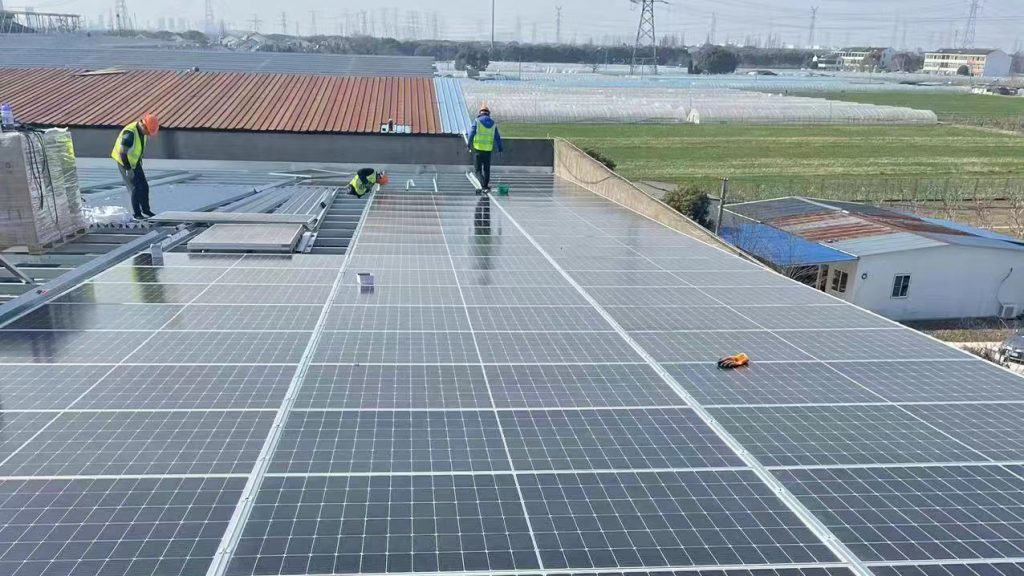
The phrase “top solar roof installation plans” frequently appears in consumer comparison guides and architectural trade journals. Despite widespread commercial usage, this specific term often suffers from conceptual dilution. In casual consumer discourse, individuals apply the phrase to any generic list of manufacturers or basic price quotes. Conversely, within elite engineering circles, the exact same terminology defines a comprehensive technical blueprint. These plans integrate load-bearing calculations, custom electrical single-line diagrams, and localized net-metering agreements tailored to utility providers.
When evaluating top solar roof installation plans, the primary risk involves ignoring the interplay between roofing structural integrity and electrical efficiency. For example, assuming that any contractor can install photovoltaic arrays without checking wind uplift ratings often leads to leaks. True excellence in this sector requires separating generic sales pitches from rigorous architectural integration. Additionally, regional climates dictate vastly different technical approaches. For instance, a plan optimized for heavy snow loads requires entirely different mounting hardware than one engineered for desert heat.
Deep Contextual Background and Systemic Evolution
The trajectory of renewable energy roofing reflects a broad historical shift in national energy policy. During the late twentieth century, early residential solar deployments relied on heavy, inefficient silicon panels and prohibitive capital costs. These early installations were driven primarily by off-grid homesteaders operating outside mainstream construction standards. Consequently, they depended heavily on rudimentary battery storage banks.
A major economic turning point arrived with the widespread adoption of state portfolio standards and federal tax credits during the early 2000s. These policies successfully transformed solar energy into a scalable financial asset class. Concurrently, technological breakthroughs in cell efficiency completely revolutionized the market. Today, strict decarbonization mandates and consumer demand for sustainable architecture continue to drive the market for energy-generating roofs.
Conceptual Frameworks and Mental Models
Analyzing elite renewable energy roofing programs requires specialized mental models that account for structural physics and financial forecasting.
-
The Solar Azimuth and Tilt Efficiency Matrix: This model maps how latitude and roof slope angles interact to dictate maximum annual photovoltaic yield.
-
The Structural Dead-Load vs. Wind-Uplift Balance: This framework balances the permanent added weight of modules against aerodynamic lift forces.
-
The Levelized Cost of Energy (LCOE) Horizon Lens: This conceptual framework evaluates lifetime system costs divided by total lifetime energy production.
-
The Building-Integrated Thermal Insulation Theory: This model assesses how integrated solar shingles alter attic thermal dynamics to reduce cooling loads.
Key Categories or Variations
Renewable energy roofing implementations across the United States fall into distinct stylistic and structural typologies. Each typology is defined by specific engineering requirements and financial frameworks.
-
Standard Rack-Mounted Crystalline Silicon Arrays: These systems feature rigid aluminum rails bolted directly through roofing material into structural rafters to support high-efficiency glass panels.
-
Integrated Solar Shingle and Tile Systems (BIPV): This seamless aesthetic approach uses photovoltaic elements that mimic traditional architectural tiles, replacing conventional roofing materials entirely.
-
Ballasted Low-Slope Commercial Roof Systems: Non-penetrating arrays utilized on flat commercial roofs, held securely in place by heavy concrete ballast blocks.
-
Carport and Elevated Canopy Solar Structures: Engineered structural steel frames supporting solar arrays over parking surfaces, decoupling generation capacity from primary building roofs.
-
Microgrid-Ready Hybrid Solar-Storage Plans: Installations paired with high-capacity lithium-ion battery banks to ensure seamless backup power during grid outages.
-
Community Solar Subscription Integrations: Virtual net-metering frameworks allowing property owners to buy shares in off-site commercial solar installations when their own roofs are unsuitable.
| Category | Primary Technology | Structural Impact | Initial Capital Cost |
| Rack-Mounted Silicon | Monocrystalline Glass Panels | Moderate (Roof Penetrations) | Moderate |
| Integrated BIPV Shingles | Thin-Film or Mini-Silicon Tiles | Low to Moderate (Full Roof Replacement) | High |
| Ballasted Commercial | Non-Penetrating Rack Blocks | High (Dead-Load Weight) | Moderate to High |
| Canopy Solar Structures | Structural Steel & Framing | Isolated Foundation Pours | Very High |
| Hybrid Storage Plans | Panels + Lithium Battery Banks | Moderate + Wall Space | High |
| Community Subscriptions | Off-Site Utility Farm Shares | None (Virtual Allocation) | Low (Subscription Model) |
Realistic Decision Logic
Selecting an appropriate deployment typology begins with an exhaustive audit of a building’s age and remaining roof lifespan. If a residential roof exceeds fifteen years in age, installing standard rack-mounted panels becomes financially reckless. Consequently, property owners in this situation must opt for a comprehensive re-roofing project combined with integrated solar shingles. Conversely, a newly constructed commercial building with a reinforced flat membrane roof can seamlessly accommodate ballasted commercial arrays without structural compromise.
Detailed Real-World Scenarios and Case Studies
A : Historic District Roof Renovation in Charleston
-
Context: A historic residential property requires renewable energy integration while complying with strict local architectural preservation guidelines.
-
Constraints: Visible rack-mounted panels are legally prohibited, and the underlying roof structure features aged timber framing.
-
Decision Points: Project teams specified low-profile, color-matched building-integrated solar shingles on the rear-facing roof plane. Furthermore, they added a hidden basement-mounted hybrid inverter storage system.
-
Failure Modes & Secondary Effects: Initially, attempting to use standard panels on a visible side dormer resulted in an immediate stop-work order and permit revocation.
B : High-Wind Suburban Housing Development in Florida
-
Context: A master-planned community in coastal Florida seeks to deploy residential solar arrays capable of withstanding severe tropical storm wind shears.
-
Constraints: High hurricane wind-uplift ratings, corrosive salt-air humidity, and strict municipal building code inspections.
-
Decision Points: Engineers deployed mechanically fastened high-load rail systems with stainless steel clamps, paired with high-wind-rated monocrystalline modules.
-
Failure Modes & Secondary Effects: Utilizing standard aluminum mounting hardware without anti-corrosion coatings led to rapid galvanic oxidation and fastener failure within three years.
C : Commercial Warehouse Roof Expansion in Chicago
-
Context: A large logistics distribution center plans a massive rooftop photovoltaic deployment to offset high winter heating and electrical operating costs.
-
Constraints: Flat rubber membrane roof with strict structural dead-load limits and heavy seasonal snow accumulation loads.
-
Decision Points: Engineering firms utilized non-penetrating ballasted racking systems with optimized tilt angles to promote self-cleaning snow shedding.
-
Failure Modes & Secondary Effects: Failing to account for drifting snow accumulations against rooftop HVAC units caused localized structural overloading during a blizzard.
D : Net-Zero Custom Estate in the Pacific Northwest
-
Context: An off-grid luxury residential estate aims for complete energy self-sufficiency amidst heavy cloud cover and dense tree shading.
-
Constraints: Extended periods of low solar irradiance, high winter tree shading, and heavy local rainfall.
-
Decision Points: Designers implemented ground-mounted and roof-integrated hybrid arrays combined with high-capacity modular vanadium redox flow and lithium battery storage networks.
-
Failure Modes & Secondary Effects: Relying solely on historical annual average sunlight data without modeling winter cloud cover resulted in severe seasonal energy deficits.
Planning, Cost, and Resource Dynamics
Financial budgeting for comprehensive renewable energy roofing projects requires a clear understanding of hidden expenses.
-
Direct Capital Expenditures: Photovoltaic modules, mounting hardware, inverters, wiring harnesses, structural reinforcement materials, and battery storage units.
-
Indirect and Engineering Expenses: Electrical engineering single-line diagrams, structural load certification stamps, municipal building permits, and utility interconnection fees.
-
Long-Term Operational Commitments: Periodic inverter servicing, professional panel washing in dusty regions, and performance monitoring software subscriptions.
| Project Scope | Estimated Capital Cost | Primary Ongoing Resource Inputs |
| Small Residential Retrofit | $15,000 – $30,000 | Annual visual inspection, seasonal glass washing |
| Large Residential Solar Roof (BIPV) | $40,000 – $90,000 | Roof flashing integrity checks, inverter firmware updates |
| Commercial Ballasted System | $150,000 – $500,000+ | Quarterly ballast stability audits, electrical thermography |
| Industrial Microgrid Installation | $1,000,000 – $3,500,000+ | Dedicated facility management team, battery maintenance |
Tools, Strategies, and Support Systems
Deploying resilient renewable energy roofing systems requires specialized hardware and analytical software to maintain electrical output.
-
Solar Design and Simulation Software: Advanced CAD modeling tools like PVsyst or Aurora Solar used to simulate annual shade patterns and expected kilowatt-hour yields.
-
Module-Level Monitoring Gateways: IoT communication devices attached to individual microinverters providing real-time data tracking on individual panel health.
-
Infrared Thermographic Drones: Unmanned aerial vehicles equipped with thermal cameras used to identify hot spots and micro-cracks across large arrays.
-
Rapid Shutdown Safety Devices: National Electrical Code (NEC) compliant hardware that instantly de-energizes roof-level wiring during emergency interventions.
-
Torque-Indicating Fastener Hardware: Specialized mechanical fasteners equipped with visual torque indicators to prevent structural loosening under continuous wind vibration.
-
Automated Inverter Optimization Protocols: Smart power electronics that dynamically adjust voltage and current curves to maximize output during partial shading events.
Risk Landscape and Failure Modes
Operating complex electrical and structural installations on high-exposure building roofs introduces severe compounding risk factors.
-
Roof Penetration Leaks: Improperly flashed roof attachment bolts allow moisture infiltration through the decking, causing hidden wood rot and mold growth.
-
Electrical Arc Faults: Damaged DC wiring or corroded module connections can create high-temperature electrical arcs capable of igniting roofing materials.
-
Wind-Induced System Uplift: Inadequate structural fastening during high-wind storms causes entire arrays to detach from rafters, resulting in liability risks.
-
Premature Inverter Failure: Exposure to extreme ambient rooftop temperatures without adequate ventilation accelerates electronic component degradation.
-
Micro-Cracking from Thermal Stress: Rapid temperature swings between intense direct sunlight and cold nighttime conditions create microscopic fractures in silicon wafers.
Governance, Maintenance, and Long-Term Adaptation
Maintenance Lifecycle Framework
-
Monthly Digital Performance Audits: Review automated generation reports via monitoring software to detect unexpected drops in energy output.
-
Quarterly Visual and Thermal Inspections: Inspect roof attachment flashings for sealant degradation and use handheld thermographic tools to check for hot spots.
-
Semi-Annual Debris Clearance and Washing: Remove accumulated leaf litter and atmospheric pollutants from glass surfaces to maintain optimal light absorption.
-
Annual Electrical and Structural Engineering Review: Conduct professional torque checks on mounting hardware and verify inverter firmware versions.
Operational Adjustment Triggers
Operational protocols must dictate immediate responses to environmental anomalies. When severe weather alerts indicate approaching hail storms, facility managers must review system shutdown procedures. Similarly, if automated monitoring platforms register a sudden drop in string voltage continuity, maintenance teams must isolate the affected circuit immediately.
Measurement, Tracking, and Evaluation
-
Leading Indicators: Preventative maintenance schedule completion rates, inverter firmware update logs, and pre-installation structural engineering sign-off stamps.
-
Lagging Indicators: Actual kilowatt-hour generation versus modeled yield forecasts, return on investment payback periods, and zero roof-leak incident rates over five years.
-
Documentation Examples:
-
Interconnection Agreement Compliance Records: Official documentation verifying utility net-metering approval and bidirectional meter installation.
-
Structural Engineering Load Certification Logs: Signed architectural evaluations confirming roof framing capacity meets dead-load requirements.
-
Warranty and Component Tracking Registers: Comprehensive asset logs recording serial numbers and manufacturer warranty terms.
-
Common Misconceptions and Oversimplification Risks
-
Myth 1: Solar panels completely eliminate monthly electricity bills under all utility rate structures. Correction: Fixed grid connection fees and tariff changes mean bills rarely drop to absolute zero.
-
Myth 2: Any roofing material can support solar panels without structural evaluation. Correction: Added dead loads require professional engineering analysis of rafter sizing.
-
Myth 3: Solar installations require no maintenance once mounted on a roof. Correction: Dust accumulation and periodic fastener inspections are mandatory to ensure efficiency.
-
Myth 4: Shaded roofs can never utilize solar technology effectively. Correction: Modern microinverters and power optimizers isolate shaded panels, preventing whole-array drops.
-
Myth 5: Solar roofs increase insurance premiums significantly without added benefit. Correction: Durable solar installations often enhance overall property value and structural resilience.
-
Myth 6: DIY solar installation plans are legally and technically straightforward. Correction: Complex electrical wiring and utility rules require certified professional execution.
Ethical, Practical, and Contextual Considerations
The widespread adoption of renewable energy roofing across American communities intersects directly with housing equity and utility regulatory structures. While clean energy deployment reduces systemic carbon emissions, the high upfront capital cost of premium installations can create disparities. Thus, lower-income neighborhoods often remain reliant on aging fossil-fuel infrastructure. Furthermore, evolving net-metering policies by regional utility companies frequently shift compensation rates, altering the financial calculus for property owners. Policymakers must balance private incentives with broader grid equity and resilience initiatives.
Conclusion
The realization of high-performance renewable energy roofing across the United States represents an intricate synthesis of structural engineering precision and system integration. Successfully executing top solar roof installation plans requires an unwavering commitment to rigorous site evaluation, uncompromising safety standards, and disciplined maintenance. True excellence in modern sustainable architecture is not measured by short-term marketing claims, but by the enduring integration of clean energy generation into the built environment.